

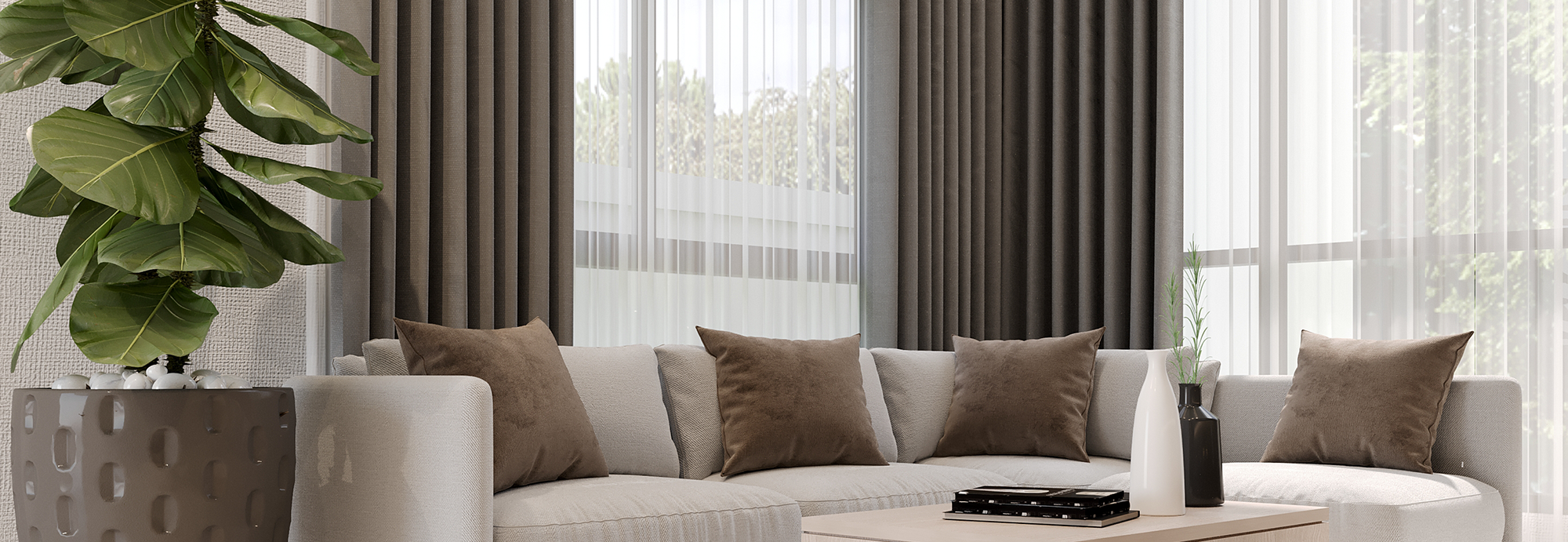
How to Choose the Perfect Curtains for Every Room in Your Home
Curtains are far more than a practical necessity — they are one of the most powerful tools in interior design. The right curtains can make a room feel taller, warmer, more intimate, or more dramatic. The wrong choice, on the other hand, can make even a well-furnished room feel unfinished. For homeowners in Centurion, Pretoria, and the Midstream area, where sun exposure is intense and interior design standards in newer estates are high, choosing the right curtain for each room makes a noticeable difference to how your home looks and feels.
This guide covers fabric selection, heading styles, lining options, and room-by-room recommendations to help you make a confident decision.
Understanding Curtain Fabric
Fabric is the single most important decision when choosing curtains. It determines how much light filters through, how well the curtain insulates, how it drapes, and how long it lasts. The main fabric categories to understand are:
Sheer Fabrics
Sheer and voile fabrics allow light to pass through while providing daytime privacy. They create a soft, airy atmosphere and are ideal for living rooms and dining areas where the goal is to soften natural light rather than block it. In South Africa’s bright conditions, sheers work best when layered with a roller blind or heavier drape that provides privacy at night.
Light-Filtering Fabrics
Slightly heavier than sheers, light-filtering fabrics diffuse incoming light, reducing glare while keeping the room bright. They work well in living rooms, dining rooms, and home offices where privacy and ambience are both important.
Blockout and Thermal-Lined Fabrics
Blockout curtains — also called blackout curtains — use a dense, multi-layer fabric or a blackout lining to eliminate incoming light. They are essential in bedrooms, nurseries, and home cinemas. Thermal-lined blockout curtains also provide meaningful insulation, reducing heat gain in summer and cold drafts in winter — particularly valuable in Centurion and Pretoria where temperature swings between seasons are significant.
Velvet and Heavyweight Fabrics
Velvet and heavy textured fabrics create a luxurious, dramatic look. They are at home in formal living rooms, master bedrooms, and dining rooms in upmarket properties. They also provide excellent sound absorption. The trade-off is weight — these curtains require sturdy tracks and professional installation, and they need periodic professional cleaning.
Curtain Heading Styles
The heading style determines how the curtain hangs and how it looks when gathered. The most common options are:
- Eyelet / Grommet Heading: A clean, modern look with evenly spaced metal rings. Easy to operate, suits contemporary interiors. One of the most popular heading styles in South Africa.
- Wave (S-Fold) Heading: Creates a continuous soft wave across the track. A refined, architectural look that suits modern and luxury interiors. Works best on a gliding ceiling track rather than a rod.
- Pinch Pleat Heading: A classic, structured pleat. Formal and elegant — suits traditional and transitional interiors. Requires a standard curtain track or rod.
- Rod Pocket Heading: Fabric is threaded directly onto the rod. A casual, relaxed look suited to informal living spaces and guest rooms.
Getting the Length Right
Curtain length has a significant impact on how the room feels:
- Floor-length curtains (just touching the floor) are the most versatile and widely used option — they suit virtually any interior style.
- Pooling curtains (5–15cm of fabric resting on the floor) create a romantic, luxurious look suited to formal bedrooms and living rooms.
- Sill-length curtains work in kitchens, bathrooms, and smaller windows where floor-length drapes would be impractical.
A common mistake is hanging curtains too low — mounting the track or rod as close to the ceiling as possible makes the room feel taller and the curtains more dramatic, even in a standard-height room.
Room-by-Room Curtain Guide
Living Room Curtains
The living room is typically the most visible space in the home and the one where aesthetics carry the most weight. Consider the following:
- For a modern open-plan home: wave (S-fold) curtains in a neutral linen or textured fabric on a ceiling-mounted track. Pair with a roller or double roller blind for daytime light management.
- For a traditional or formal living room: pinch pleat drapes in a rich fabric — velvet, silk-look, or heavyweight linen. Floor length to pooling.
- For a light and airy feel: sheer curtains in white or soft neutrals, layered over a blockout or sunscreen roller blind.
- Colour and pattern: in rooms with strong existing patterns (rugs, cushions, furniture), choose solid or subtly textured curtain fabric. In a more neutral room, curtains can carry a bold colour or printed pattern.
Bedroom Curtains
The bedroom requires complete privacy and, for most people, effective light blocking for quality sleep. In Gauteng’s long summer days, a bedroom that never fully darkens disrupts sleep significantly.
- Blockout or thermal-lined curtains are strongly recommended for main bedrooms and any bedroom used for daytime sleeping.
- Layer with a roller blind beneath for a combined day/night solution — use the sheer roller during the day and the curtains at night for a warm, layered look.
- Ceiling-mounted floor-length curtains create a sense of luxury and cocoon in the main bedroom.
- For children’s rooms, consider motorised or cordless solutions to eliminate cord hazards.
Dining Room Curtains
Dining rooms benefit from curtains that create atmosphere and a sense of occasion without being overly formal:
- Full-length lined drapes in a rich neutral or a warm earth tone work well with most dining room colour schemes.
- Sheers paired with a roller blind are a practical and elegant option if the dining room gets strong afternoon sun.
- Avoid fabrics that absorb cooking smells — if the dining area is adjacent to an open kitchen, opt for easy-care fabrics or consider blinds instead.
Home Office Curtains
Managing glare is the primary concern in a home office. Too much direct sun on a computer screen reduces productivity and causes eye strain.
- A sunscreen roller blind (3–5% openness) paired with a light-filtering curtain is an excellent combination — the blind manages glare, the curtain adds warmth and acoustics.
- For rooms with morning sun: a light-filtering curtain alone may be sufficient. For rooms with harsh western afternoon sun, a blockout or sunscreen blind beneath is essential.
Guest Bedroom and Kids’ Rooms
Guest rooms benefit from a simple tandem roller blind or a blockout curtain — functional, clean, and easy to maintain. For children’s rooms, safety is the priority: motorised or cordless blinds eliminate cord risks. Choose easy-wash fabrics in child-friendly colours and patterns.
Custom-Made Curtains vs Ready-Made
Ready-made curtains are available from most home stores in standard sizes, but they rarely achieve the quality look of custom-made curtains. In South African homes — where window sizes, ceiling heights, and architectural features vary significantly between properties — custom-made curtains make a meaningful difference:
- Exact measurements for a professional, tailored fit
- Access to a wider range of fabrics, textures, and finishes
- Choice of heading style, lining, and track type
- Professional installation ensures proper hanging, even drape, and correct height
At The Blinds & Shutter Studio, all curtains are custom-made to your specific windows and preferences, with consultation included as part of the process.
The Blinds & Shutter Studio — Custom Curtains in Centurion and Pretoria
We supply and install custom-made curtains, sheers, blockout drapes, and wave curtain systems throughout Centurion, Pretoria, Midstream, Irene, Pretoria East, and surrounding Gauteng areas. Our team guides you through fabric selection, heading styles, and installation — from first consultation to final fitting.
Contact us on 068 911 6643 or email info@blindsandshutterstudio.co.za to get started.


